
You may not know it, but you have already benefited from Trenchless. Would you like to understand how? Read the text below!

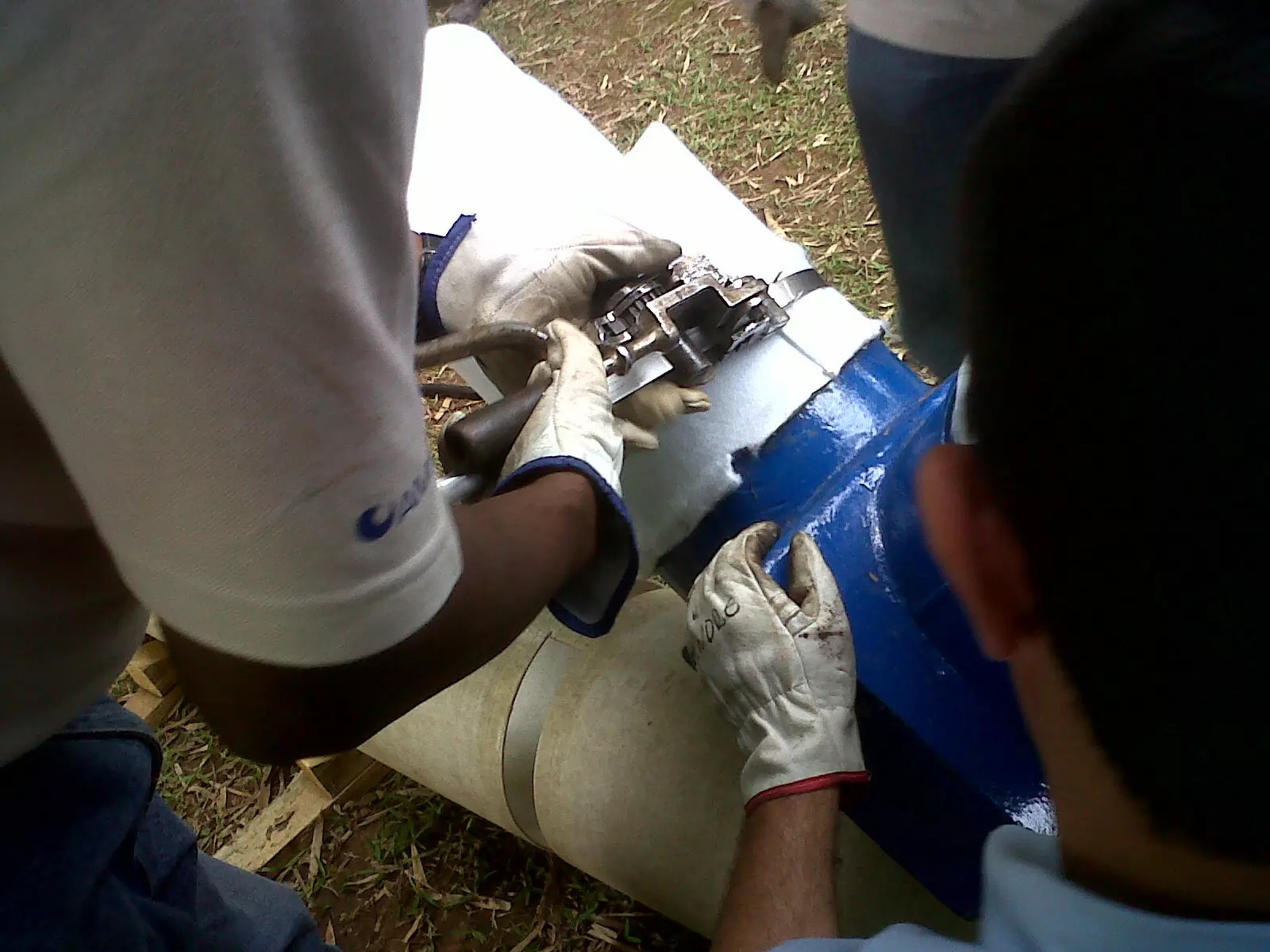
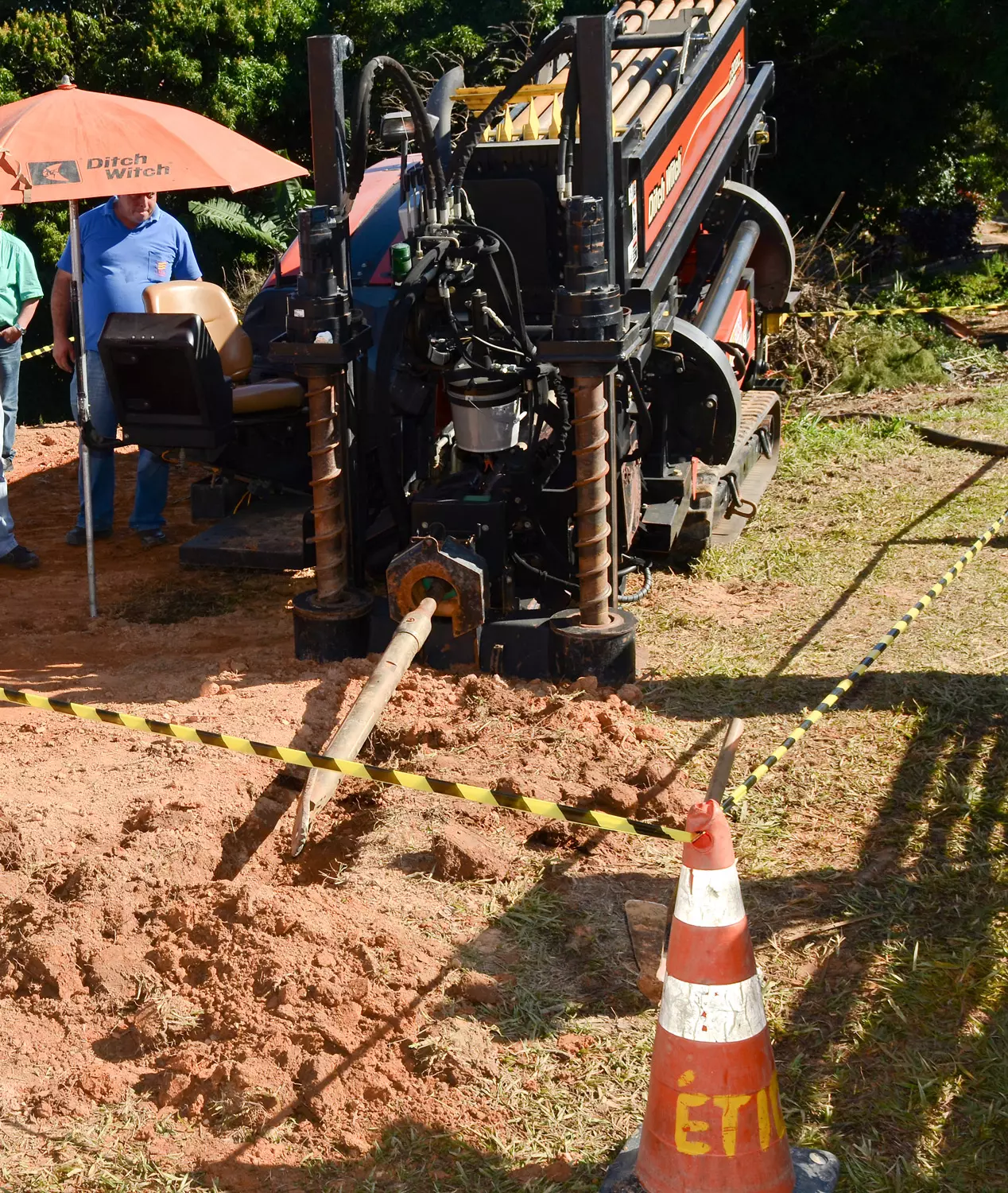
“There is no question that invalidates the great traffic problem in urban centers. There is also no longer any way to categorize a more or less congested urban center, the use of vehicles (cars, buses, motorcycles) has transformed these areas into densely occupied spaces, whether in a small town of say 20,000 inhabitants, or in large metropolises. In Brazil, it is also recognized the delay in the offer, mainly of sewage collection and removal services, now with mandatory compliance dates for 2033 according to the new REGULATORY FRAMEWORK. The expansion of telecommunications services, and the distribution of natural gas, all these services together, end up resulting in thousands of kilometres of buried networks, shallow or even great depths such as the separation and interception of sewers. Worldwide, Non-Destructive Methods for Installing New Sewer Networks, the famous Trenchless, have been a reality for more than two decades in Brazil.
Working with the installation of new nets without opening trenches is like non-invasive surgical interventions (if you want, you can call them trenchless), such as laparoscopy, for example. The urban patient has in these methods and resources the salvation of his health, mobility, and safety.
Brazil, although unequally, offers public services that involve underground pipe networks, as everyone knows, that is, treated water that reaches our homes, or collected sewage, communications, natural gas, energy often, and rainwater drainage, all walks can inside underground pipes. Many have been installed there for decades, and what is worse, not always with adequate maintenance, let alone preventive. Of course, water, an essential good, receives a different treatment from the concessionaires, but even so, there are large supply systems in very old cast iron, cement, and asbestos networks.
In sanitary sewage systems (SES) even worse. Large diameters, large depths, usually in concrete, give the manager the impression that they are there, never to be accessed again. Big mistake, collapses in these networks are catastrophic. Very well, the Non-Destructive Methods of Renewal of these networks are also available to the managers of these assets, all without digging trenches.”
Join the monthly trenchless newsletter.